

You are not starting from zero.
At midlife, or at any age, health rarely arrives as one clean question. It's often several changes at once, more specialists, more measurements, more responsibilities and less patience for disconnected advice.
You already notice patterns, ask questions and make choices for your health. Well Becoming helps those efforts become one clearer, more continuous picture.
Where this sits next to Apple Health
Apple Health is where the numbers land, and it's very good at that: steps, sleep, heart rate, a lab result when a clinic sends one, accurate and yours. It is not where the decisions live. It does not know what your doctor said on Tuesday, which of three medications changed, what you are trying this quarter, or what is worth asking at the next visit. This is that record. The numbers arrive on their own, from Apple Health or from Health Connect on Android, and around them sit your history, your plan, the open questions and what you actually did about them. What changed, what matters, what comes next, and what to ask.
A health app that respects context
Well Becoming is designed for people who may already practice yoga, track sleep, pay attention to food, carry family medical history and keep a folder of lab reports. It does not ask you to hand your judgment over to a score. It helps you see how the pieces relate and what deserves attention today.
It is for people who care about their health but don't want to spend their lives assembling portals, spreadsheets, wearable exports and AI prompts.
You already pay attention
You may practice yoga, train, cook deliberately, track sleep, manage a condition or simply want to notice change earlier.
Your information is scattered
Doctors, labs, notes, family history, devices and previous AI conversations each hold part of the story.
You are AI-curious, not system-obsessed
You can imagine what a personal health system could do, but you don't want to build, maintain and audit one yourself.
Your goals can change
Prevention, recovery, strength, energy, care coordination and healthy aging all belong in an evolving picture.
You use whatever works
The long-term model is device and operating-system agnostic: health platforms, wearables, records and direct observation are sources, not identities.
You want judgment, not bravado
No single score defines you. Useful evidence, uncertainty and a few meaningful actions matter more than optimization theatre.
Yoga is part of a life, not a category label.
The product does not assume that everyone meditates, follows one diet, owns every wearable or wants a more intense routine. Yoga may be one practice among many. The goal is a health picture that adapts to the person rather than turning the person into a wellness persona.
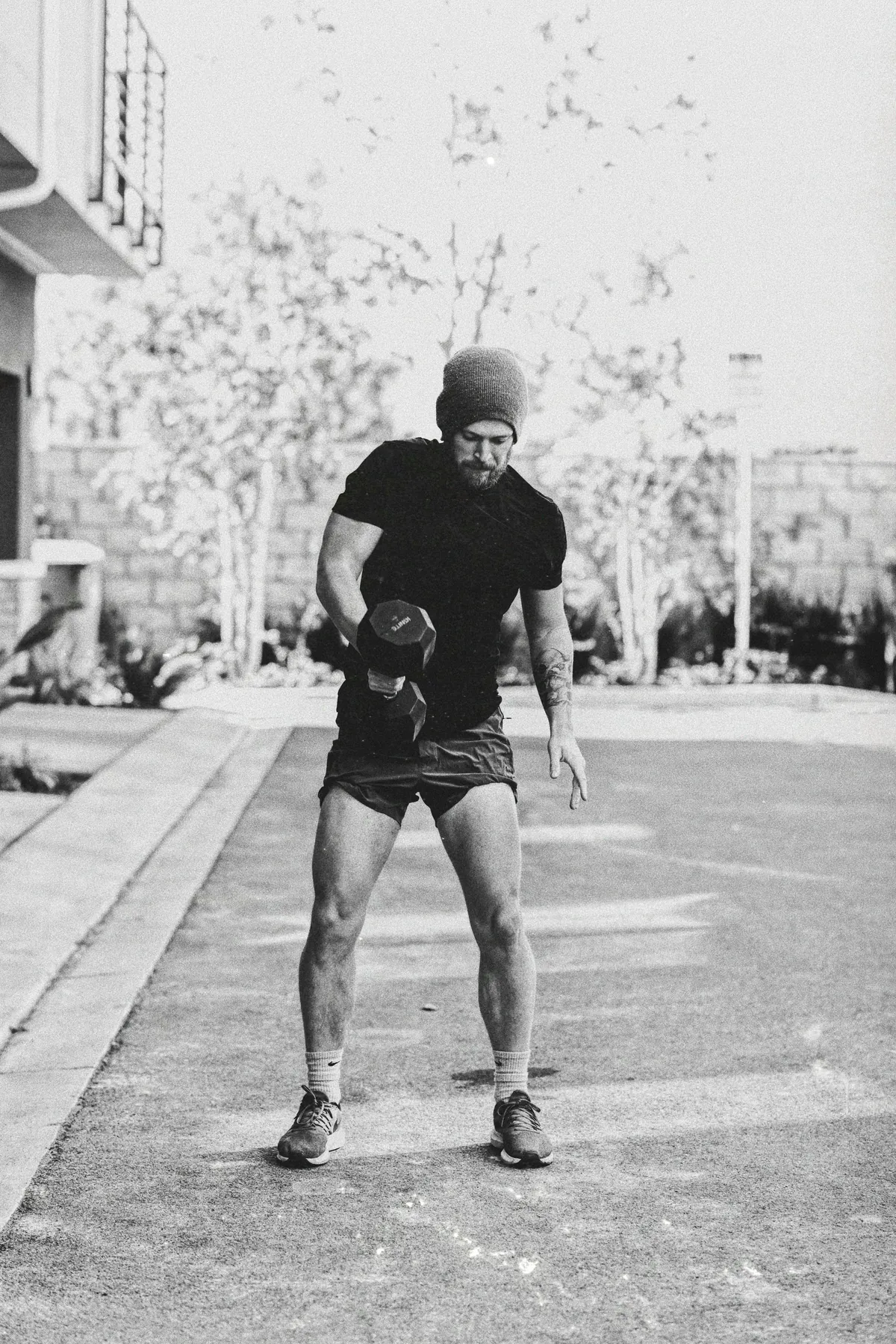
Whatever you already do counts.
Training, walking, cooking, sleeping badly and noticing it. The record does not grade any of it. It keeps what you did beside what changed, and lets you see the relationship for yourself.
What connects
Apple Health arrives through an iPhone Shortcut set up at onboarding, so anything a device writes there, an Apple Watch, an Oura ring, a WHOOP band, rides along. On Android the same comes through Health Connect. Whatever you already wear or use, the record takes it in.